

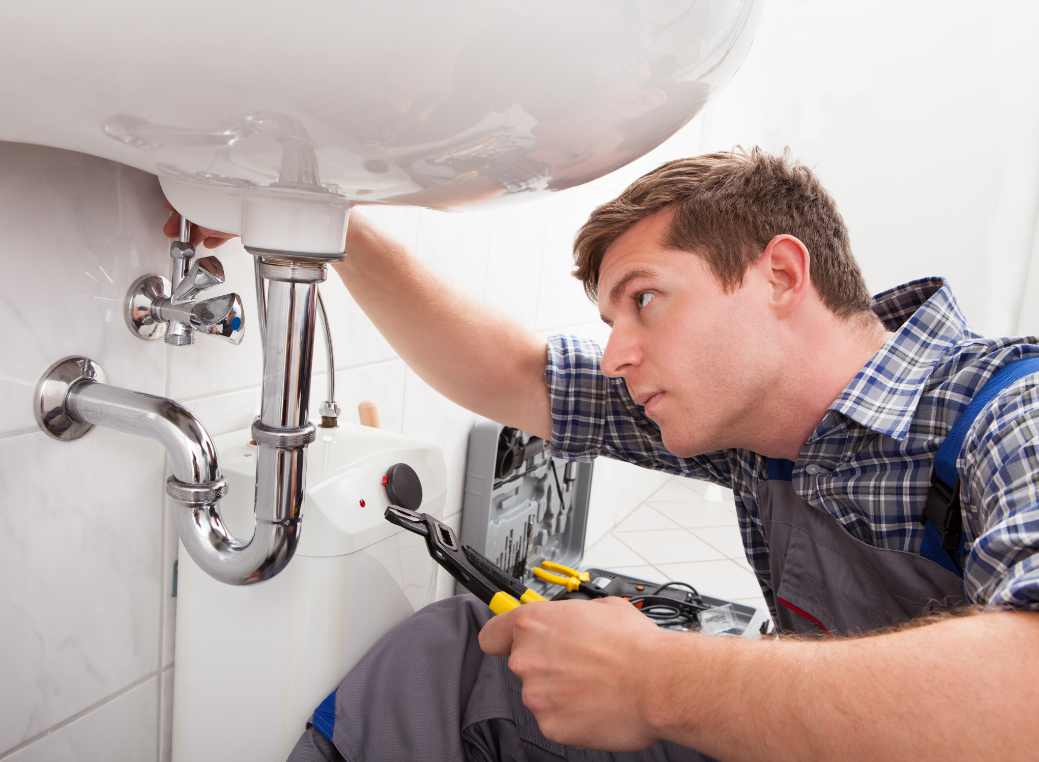
Are you experiencing a plumbing problem in your Fort Wayne area home and thinking you can handle the plumbing repair yourself? It’s the great debate: call a plumber vs DIY. Some issues seem simple enough with a quick trip to the hardware store, while others can quickly get out of hand. The challenge is knowing the difference before a small problem turns into a bigger one.
In this blog from Doc Dancer Plumbing, Heating, AC & Generators, we’ll break down which DIY plumbing repairs are generally safe to try—and when to call a plumber instead.
Plumbing Repairs You Should DIY
Even if you’re super handy, there are only a handful of DIY plumbing fixes we truly feel comfortable suggesting homeowners handle on their own. Here are some plumbing repairs you should DIY and a few DIY plumbing repair tips to help you get started. And of course, if you run into trouble at any point, just give us a call!
Clearing Minor Clogs in Kitchen and Bathroom Sinks
Slow drains in kitchen and bathroom sinks are one of the most common plumbing repair issues homeowners run into. In the kitchen, grease, soap, and food scraps tend to build up. In bathrooms, it’s usually hair and toothpaste residue collecting just below the drain. If water is draining slowly but not completely backed up, this is often a safe DIY fix to try before calling a plumber.
- Remove and clean the drain stopper or strainer.
- Use a sink plunger to try loosening the clog.
- Insert a small drain snake to pull out hair or debris.
- Place a bucket underneath and carefully remove the P-trap to clear buildup inside.
- Reassemble tightly and run water to check for leaks.
Replacing a Faucet Aerator
Low flow from a single faucet—especially if other fixtures in the house are working normally—usually points to a clogged aerator. Hard water buildup is common in Fort Wayne and can block the small screen at the tip of the faucet, restricting water flow. Cleaning or replacing the aerator is a simple fix that can restore normal pressure without taking apart the entire fixture.
- Unscrew the aerator from the faucet tip.
- Rinse out visible debris.
- Soak it in vinegar to dissolve mineral buildup.
- Scrub gently with a small brush.
- Reinstall and test water flow.
Tightening Loose Fittings
If you notice a small leak under a sink, it may just be a loose connection. Compression fittings can shift over time due to vibration or temperature changes. Tightening them carefully can sometimes stop a minor drip before it turns into a larger issue.
- Turn off the water supply to the fixture.
- Place a bucket under the connection.
- Use a wrench to gently tighten the fitting.
- Avoid overtightening, which can crack the seal.
- Turn water back on and check for leaks.
Fixing a Toilet That Won’t Flush
If your toilet won’t flush, the problem is usually either inside the tank or caused by a clog in the bowl or drain line. Inside the tank, a disconnected chain, worn flapper, or stuck fill valve can prevent the toilet from flushing properly. On the clog side, too much toilet paper or non-flushable items can block the trap and stop waste from clearing.
- Remove the tank lid and check that the chain is connected properly.
- Inspect the flapper for warping or wear and replace if needed.
- Make sure the fill valve is moving freely.
- Use a flange plunger to try clearing a minor toilet clog.
Relighting a Water Heater
If you suddenly lose hot water and have a gas water heater, the pilot light may have gone out. This can happen after a power interruption or draft. Relighting it is usually straightforward—but only if you follow the manufacturer’s instructions carefully.
- Turn the gas control knob to “off” and wait several minutes.
- Set the knob to “pilot.”
- Press and hold the reset button while lighting the pilot.
- Continue holding for 30–60 seconds.
- Release and confirm the burner ignites for hot water.
Plumbing Repairs You Should Not DIY
There are some plumbing issues we really don’t want you trying to handle on your own. Water moves fast, and once it spreads, the damage adds up quickly. It also may not be safe for you or your plumbing system. If you’re dealing with these common plumbing problems, it’s time to stop and call Doc Dancer, your local Fort Wayne plumber, for your plumbing repair.
Burst Pipes
A burst pipe is urgent. Whether it split during freezing weather or cracked from age, water can flood cabinets, drywall, and flooring in minutes. This isn’t the time for DIY repairs. We shut off the affected section of your home’s plumbing system, replace the damaged pipe properly, and check nearby lines for weak spots so you’re not facing another break next week.
Sewer Backups
If sewage is backing up into a tub, floor drain, or toilet, that usually means there’s a blockage in the main line. When multiple drains are affected or you’re dealing with frequent backups, we use professional equipment to clear major clogs and inspect the sewer line for tree roots, collapse, or heavy buildup.
Water Heater Leaks
While some water heater repairs involve simple parts, leaks from the tank itself often mean internal failure. We inspect connections, valves, and pressure levels, and determine whether repair makes sense or if replacement is the safer move. Water heater leaks can escalate quickly if left alone.
Persistent Low Water Pressure
If cleaning a faucet aerator didn’t fix it and pressure is low throughout the house, there’s likely a bigger issue. Persistent low water pressure can point to pipe corrosion, hidden leaks, or supply line problems within your home’s plumbing system. We test pressure levels and track down the cause before it turns into structural damage or higher water bills.
Signs of Hidden Leaks
Water stains on ceilings, soft spots in flooring, or mold growth are red flags. Hidden leaks beneath floors or behind walls can go unnoticed for weeks while quietly damaging framing and insulation. A licensed plumber has the tools to locate the source accurately without unnecessarily tearing into your home.
Major Clogs
If you’re deciding between clogged drain DIY vs plumber, here’s a guideline: one slow sink or tub is usually safe to try plunging or snaking. But if multiple fixtures are backing up, you hear gurgling from other drains, or you’re dealing with frequent backups or foul odors, the clog is likely deeper in the line. That requires professional equipment to clear safely.
The same applies to toilet repair DIY or plumber decisions. Replacing a flapper or plunging a simple bowl clog is reasonable. But if the toilet overflows repeatedly or sewage backs up elsewhere, it’s time to step away and call a plumber.
More Signs of Serious Plumbing Problems and When to Call a Plumber
Whether you’re noticing these warning signs for the first time or they showed up after you already tried a few DIY fixes, don’t brush them off. The sooner we address them, the easier they are to control. Here’s when to call a plumber:
- Water Stains on Ceilings or Walls: Brown spots or bubbling paint often mean leaks inside walls or above ceilings. This can signal pipe failure that may require major repairs.
- Mold or Musty Smells: Persistent damp odors are often tied to hidden moisture. Even a slow leak inside walls can create the right conditions for mold growth.
- Repeated Clogs in Multiple Fixtures: One clogged sink is manageable. But repeated clogs in different areas usually point to a main line issue that needs professional equipment.
- Sudden Drop in Water Pressure: A noticeable change throughout the house could mean a hidden break, pipe corrosion, or a larger system problem.
- Water Meter Running When Nothing Is On: If your meter keeps moving, water is flowing somewhere. That often means hidden leaks inside walls or beneath floors.
- Gas Smell Near Appliances or Lines: Gas line work is never a DIY situation. If you smell gas, leave the area and call for immediate professional help.
Call a Plumber vs DIY: The Risks Involved
Of course, we have to talk about the risks that can come with DIY plumbing fixes. Plumbing systems are more connected than they look, and a small mistake can quickly lead to water damage or damage to fixtures and appliances. Sometimes what you’re fixing is just the symptom, not the underlying issue causing the problem in the first place. That’s why repeat issues happen—and why homeowners end up making multiple trips for parts and spending more money.
Licensed professionals like us have the tools and experience to find the true source of the problem and fix it correctly the first time.
Contact Doc Dancer for Fast Plumbing Repairs in the Fort Wayne Area
Whether it’s an urgent leak or a problem that keeps resurfacing, don’t let it drag on. DIY repairs have their place, but bigger concerns need experienced hands. If you’re looking for the professional plumber Fort Wayne, Columbia City, Bluffton, New Haven, Huntington, and more rely on, it’s Doc Dancer Plumbing, Heating, AC & Generators. Contact our trusted plumbing company today and get your plumbing repair over and done with.